
The future of fashion doesn’t lie in endless newness — it lies in mindfulness. As consumers become more conscious about what they wear and where it comes from, sustainability has evolved from a trend into a timeless movement.
Yet, sustainability today isn’t just about organic fabrics or fair wages — it’s about identity, storytelling, and craft. It’s about clothing that feels as good as it looks.
At Chic Réel, we’ve rounded up five brands — from India to Europe, the U.S. to Africa — that are leading the way in slow, ethical, and emotionally intelligent fashion.
These aren’t just labels. They’re movements stitched with purpose.
1. Nicobar (India) — The Modern Indian Minimalist
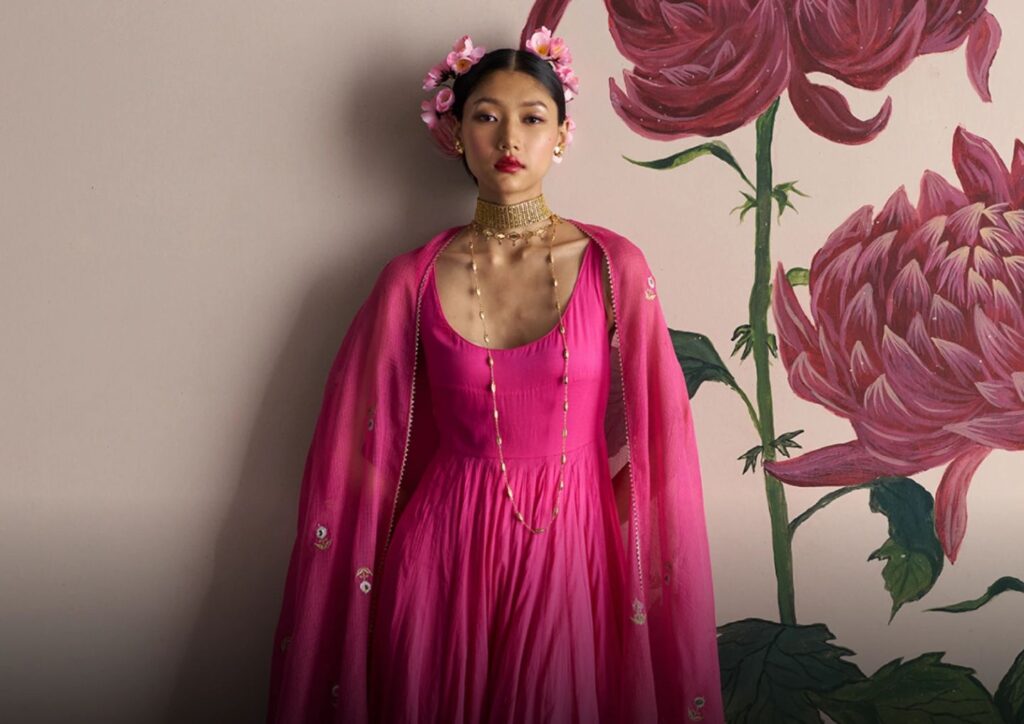
Where tradition meets modern living, Nicobar has become a benchmark for India’s quiet luxury movement. Founded in 2016, the Delhi-based brand reimagines Indian craftsmanship with contemporary silhouettes — creating garments that are both local and global in spirit.
Their aesthetic is clean, earthy, and effortless. Expect handwoven cottons, organic linens, block-printed dresses, and easy co-ords that feel as natural as they look refined. Nicobar’s philosophy of “mindful living” goes beyond fashion — extending into homeware and travel accessories crafted for everyday rituals.
What makes Nicobar truly stand out is its transparency — small-batch production, low-waste packaging, and a design ethos rooted in longevity, not disposability.
Chic Réel Note: Nicobar proves that sustainable fashion doesn’t have to look “eco.” It can look cosmopolitan, modern, and deeply rooted in culture — all at once.
2. Stella McCartney (UK) — The Pioneering Visionary
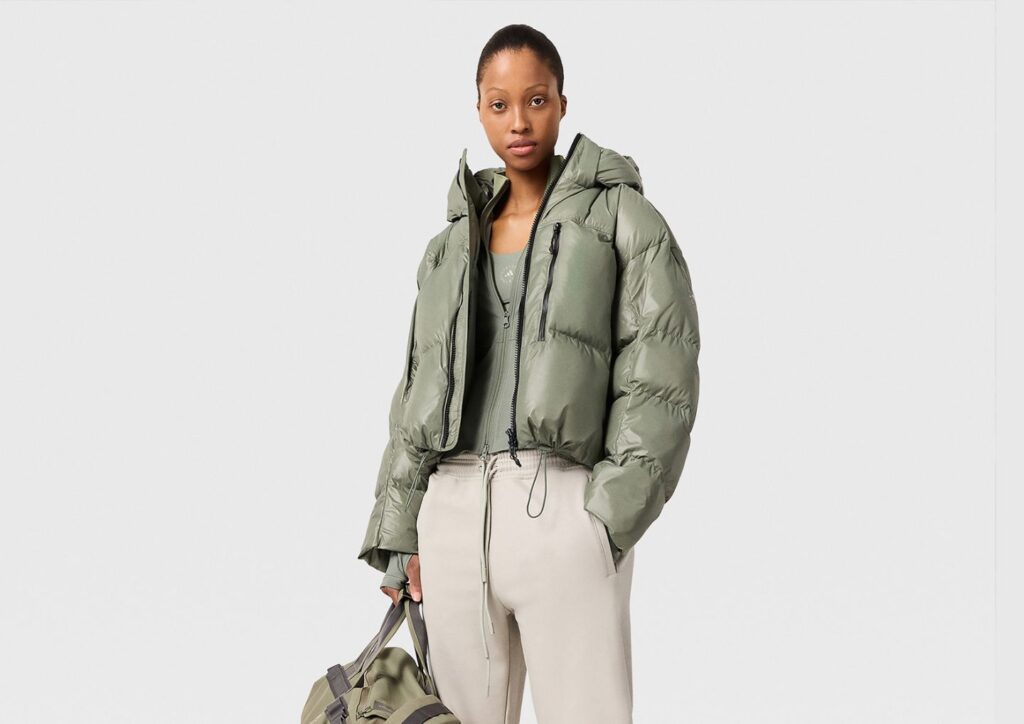
When the world was still debating whether “sustainable fashion” could be chic, Stella McCartney had already made it her brand DNA. A trailblazer since 2001, McCartney is one of the first major designers to refuse leather and fur without compromising on luxury.
Her collections redefine what ethical high fashion can look like — sharp tailoring, bold femininity, and innovation in materials. From plant-based alternatives to regenerated nylon and recycled polyester, her work bridges science and art seamlessly.
McCartney’s London-based label also pushes industry change — through circular design partnerships and initiatives like The Stella McCartney Cares Foundation, advocating animal rights and fashion transparency.
Why We Love It: Stella McCartney makes sustainable fashion feel powerful — not apologetic. She turned responsibility into rebellion.
3. Sézane (France) — Parisian Chic with a Conscience

There’s something inherently romantic about Sézane, the French brand founded by Morgane Sézalory. What began as a digital vintage shop has grown into one of Europe’s most beloved sustainable fashion labels.
Sézane captures that effortlessly Parisian aesthetic — soft blouses, high-waisted jeans, delicate knitwear, and timeless prints. But beneath its charm lies a serious commitment: eco-certified materials, ethical workshops, and traceable production.
What we admire most is Sézane’s community-driven transparency — every year, they publish detailed sustainability reports, and each product page lists its environmental impact. Their philanthropic arm, Demain, supports education projects for children around the world.
Chic Réel Takeaway: Sézane reminds us that sustainability can feel sensual, nostalgic, and undeniably chic. It’s slow fashion that still flirts with beauty.
4. Reformation (USA) — Cool Girl Meets Conscious Consumer

If sustainability had a cool older sister, she’d probably shop at Reformation. Based in Los Angeles, this brand has mastered the art of blending eco-conscious design with that signature California nonchalance.
Reformation is known for its figure-flattering silhouettes — think bias-cut dresses, easy jumpsuits, and cropped cardigans that dominate both Pinterest boards and wardrobes. But what makes it truly stand out is its radical transparency.
Every garment on their website includes details about its carbon footprint, water use, and savings compared to conventional manufacturing. The brand also uses TENCEL™, recycled polyester, and deadstock fabrics to minimize waste.
With a strong focus on inclusivity, they offer extended sizing and campaigns featuring diverse, real-world women — not just runway ideals.
Why We Love It: Reformation proves that sustainability can be sexy, bold, and unapologetically fun. It’s proof that caring for the planet doesn’t mean compromising your personal edge.
5. Tongoro (Senegal) — The Spirit of Modern Africa
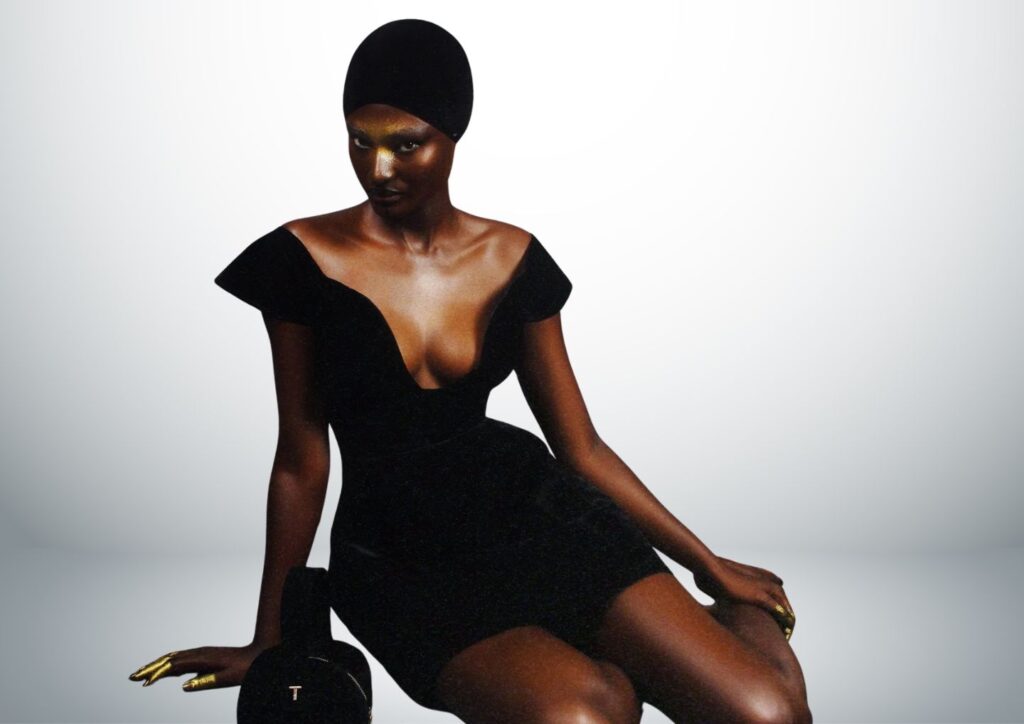
From Dakar to the world, Tongoro is a shining example of Africa’s creative renaissance in fashion. Founded by Sarah Diouf in 2016, the label celebrates African identity through contemporary design and local craftsmanship.
Tongoro’s collections are joyful — vibrant prints, fluid silhouettes, and powerful statements of self-expression. Each piece is made entirely in Senegal by local artisans, fostering ethical production and economic empowerment within the community.
The brand gained global recognition when Beyoncé wore Tongoro in her Spirit music video — but beyond celebrity attention, its strength lies in purpose. Tongoro invests in skill development programs for artisans, ensuring that every piece carries the legacy of African artistry forward.
Chic Réel Note: Tongoro isn’t just a label — it’s a movement that merges culture, sustainability, and empowerment. It’s the Africa of now: dynamic, daring, and proudly homegrown.
The Thread That Connects Them All
Though spread across continents, these five brands share a common philosophy:
that fashion should enhance life, not exploit it.
They challenge the idea that style must come at a cost — to people, the planet, or tradition. Each of them redefines sustainability in their own language:
- Nicobar speaks through quiet craftsmanship.
- Stella McCartney, through innovation and advocacy.
- Sézane, through community and care.
- Reformation, through transparency and self-expression.
- Tongoro, through cultural preservation and empowerment.
Together, they paint a picture of fashion’s new future — not a uniform aesthetic, but a shared conscience.