Over the last few years, aesthetic trends have moved at the speed of social media — one week it’s Y2K, the next it’s Cottagecore, and suddenly you’re hearing about “Vanilla Girl,” “Clean Fit,” or “Eclectic Grandpa.” In the world of design, fashion, and interiors, visual identities evolve as quickly as our moods.
But if you look closely, every trend says something deeper about our collective state of mind. From the loud confidence of early-2000s glam to the soft nostalgia of countryside escapism, each aesthetic reflects what a generation is yearning for at a particular moment in time.
As we step into 2025, the question arises: What comes next? To answer that, we first need to understand how we got here — and what each movement revealed about the way we live and express ourselves.
1. Y2K — The Return of Optimistic Excess
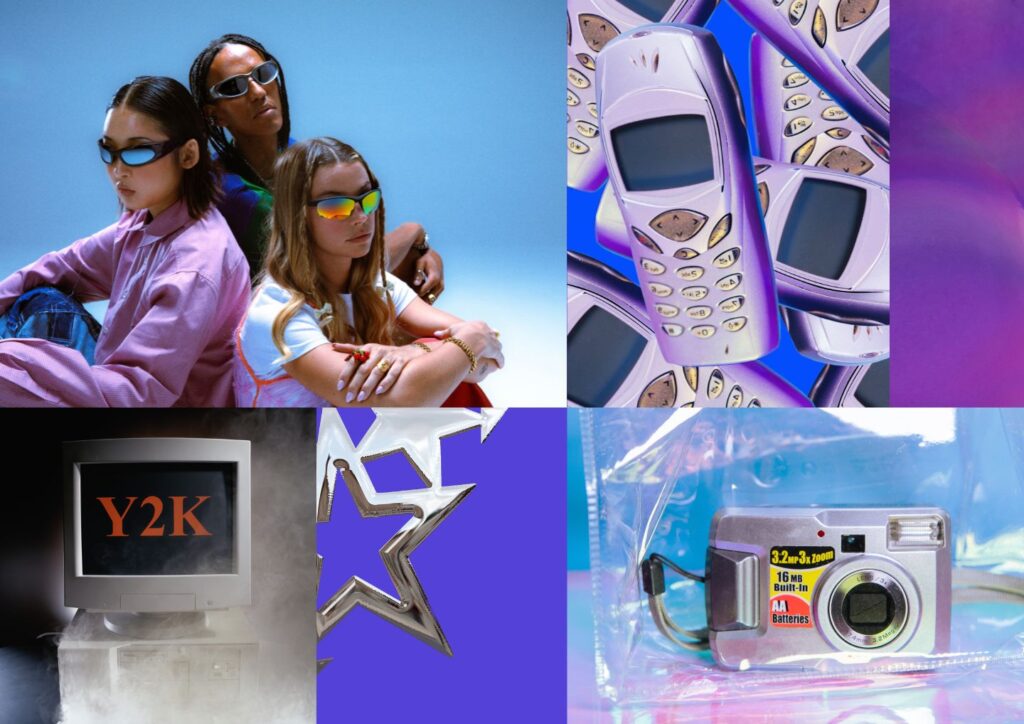
The Y2K aesthetic — all metallics, baby tees, rhinestones, and low-rise chaos — first re-emerged in 2019, led by Gen Z’s nostalgia for an era they barely lived through. It wasn’t just about fashion; it was a cultural moodboard of early internet optimism.
It represented a longing for a simpler digital age — when the web felt new, not overwhelming. The shiny surfaces, iridescent textures, and playful accessories were, at heart, a rebellion against the muted seriousness of the late 2010s minimalist trend.
Y2K was chaotic, yes, but deliberately so — an explosion of fun after years of curated restraint. It spoke to the desire for joy, spontaneity, and imperfection.
However, by 2024, that shiny bubble started to fade. The aesthetic became commercialized — reproduced endlessly by fast fashion, stripped of its self-aware irony. And just like that, we began to crave something more real.
2. Grandmillennial — Nostalgia Meets Refinement
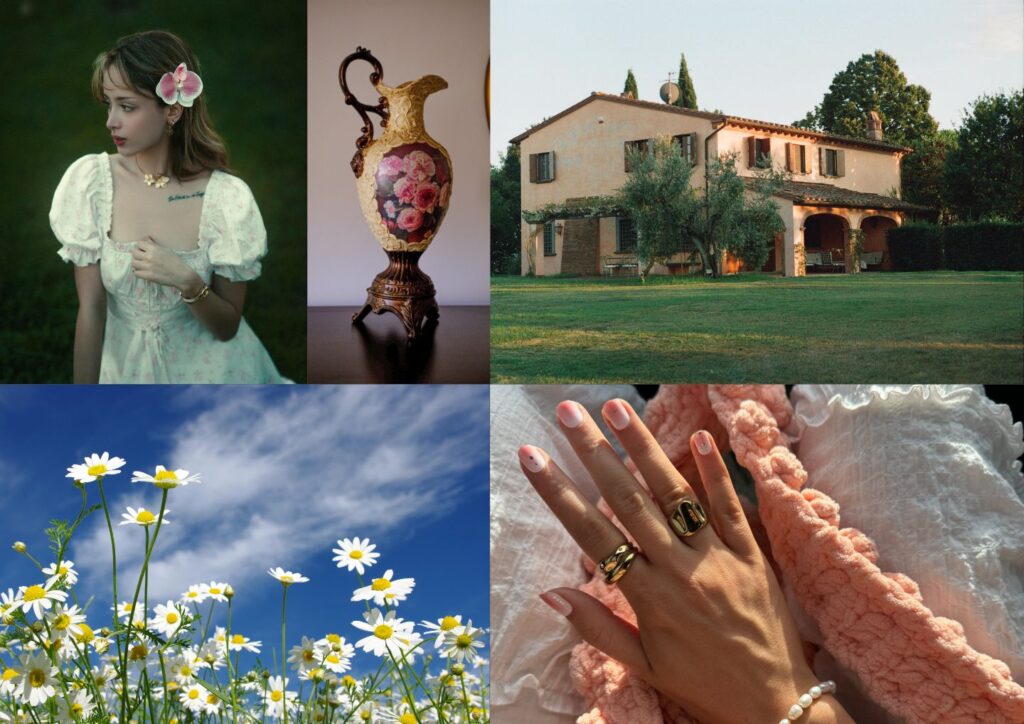
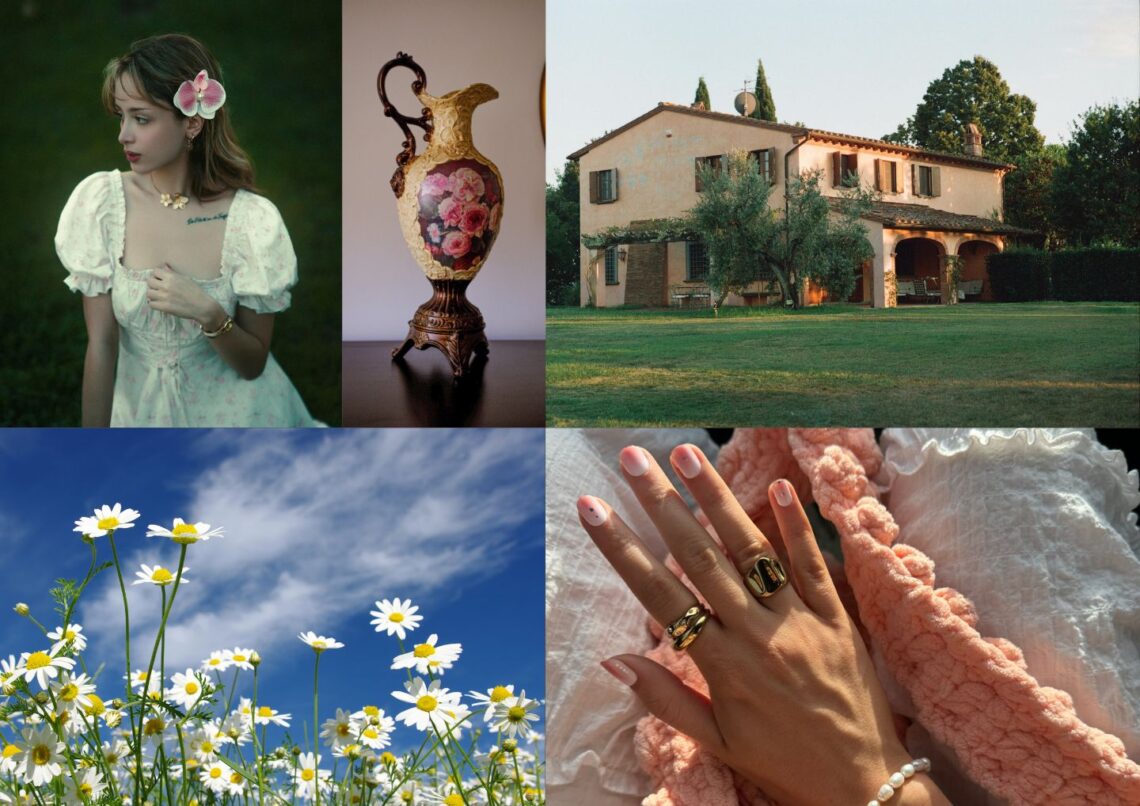
Then came the rise of the Grandmillennial movement — or what some call “Granny Chic.” A direct counterpoint to Y2K’s flash, this aesthetic celebrated the comfort of heritage: floral upholstery, pleated lampshades, lace, embroidery, porcelain teacups, and all things that once belonged in your grandmother’s living room.
At first glance, it looked old-fashioned. But at its core, it was radical — a reclamation of domesticity and craftsmanship in a world obsessed with sleek modernism.
Grandmillennial design said: “I’m not ashamed to love pattern, sentiment, or softness.” It was maximalist, yes, but emotionally grounded — a quiet protest against disposable culture.
Its influence extended beyond interiors. In fashion, puff sleeves, pearls, and ruffled collars returned. In lifestyle, we saw a renewed love for handwritten letters, gardening, and collecting vintage china.
For many, the Grandmillennial mood was about building an identity rooted in continuity — a longing for stability in uncertain times.
3. Cottagecore — Escapism and the Dream of Simplicity
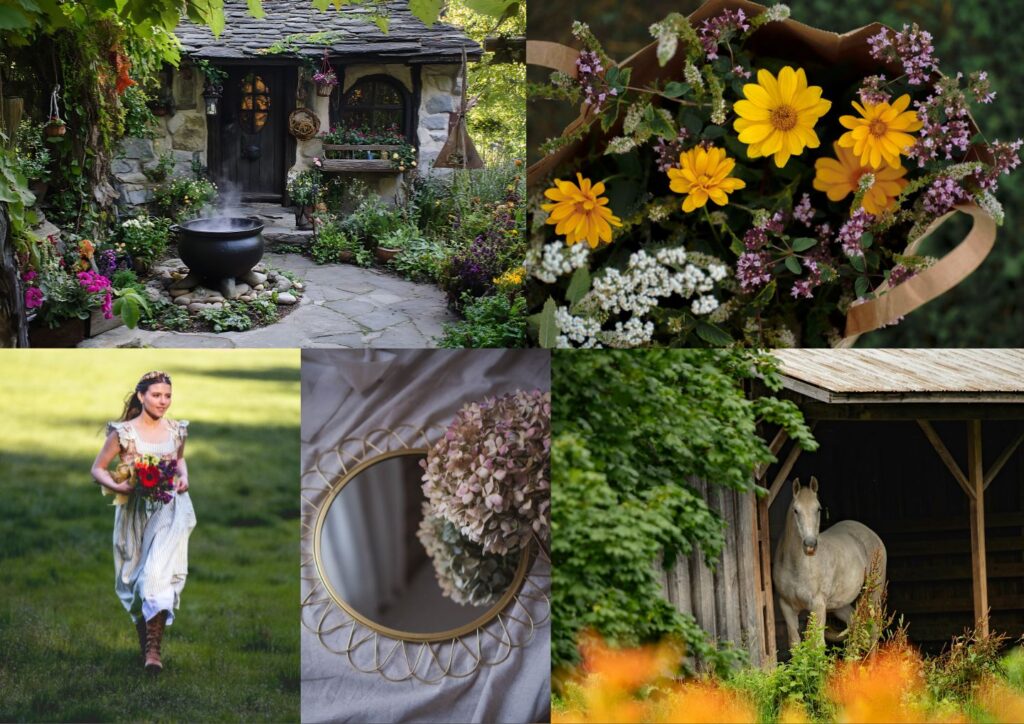
If Grandmillennial nostalgia stayed indoors, Cottagecore stepped outside into the fields.
It was an internet-born fantasy of pastoral simplicity: flowy dresses, wildflowers, woven baskets, sourdough starters, and the dream of living a quiet, self-sufficient life in the countryside. It grew from an instinctive rejection of modern burnout — the craving to disconnect from cities, deadlines, and screens.
At its best, Cottagecore celebrated slowness and the sacredness of everyday rituals. It romanticized nature, domestic labor, and gentle living.
But by 2023, even this aesthetic began to evolve. Its original sincerity was co-opted into curated perfection — picture-perfect meadows and beige linen homes that felt more like escapist branding than real life.
And so, we began to turn again — this time toward something more grounded, messy, and authentic.
From Aesthetic to Authentic: The Next Chapter
As 2025 unfolds, the next big aesthetic isn’t another neatly packaged label. It’s a shift beyond labels entirely.
People are growing weary of trend cycles that dictate what’s “in.” The rise of AI-generated imagery and hyper-stylized content has made the digital world feel saturated and impersonal. What we now crave is texture — real moments, imperfect materials, emotional honesty.
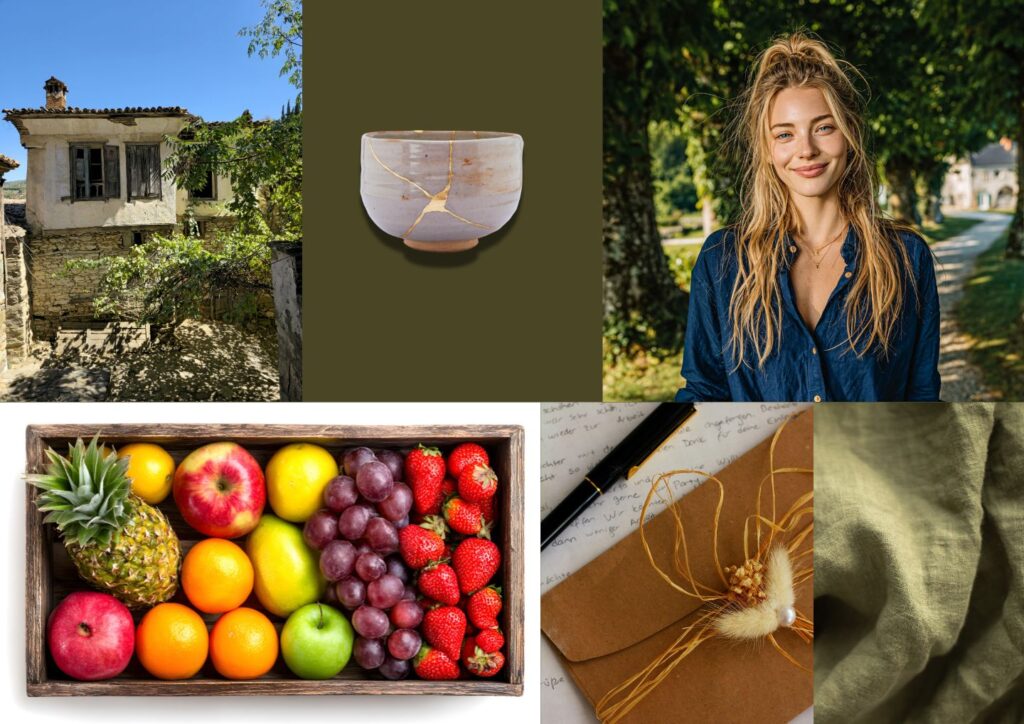
This emerging sensibility could be called “Raw Realism.”
It’s not about glam or nostalgia — it’s about truth. It values materials that age, clothes that show wear, spaces that evolve naturally. Think stone walls, cotton creases, chipped ceramics, undone hair, handwritten notes.
In fashion, this means a preference for slow tailoring, upcycled pieces, and neutral palettes that feel lived-in rather than polished. In interiors, it’s a move toward handmade objects, organic materials, and visible craftsmanship.
Raw Realism doesn’t reject beauty — it just redefines it. Beauty becomes less about perfection and more about presence.
The Emotional Thread Across Trends
When you connect the dots between Y2K, Grandmillennial, and Cottagecore, a clear emotional evolution appears:
- Y2K craved fun and visibility after years of restraint.
- Grandmillennial sought comfort and familiarity during global uncertainty.
- Cottagecore dreamed of escape and peace in a chaotic world.
- Raw Realism, now emerging, desires authenticity and connection in a hyper-digital age.
Each aesthetic isn’t just about style — it’s about survival. It reflects how we cope with the times we live in.
The next aesthetic movement will likely continue this inward turn — less curated, more intuitive. We’ll see more personal mashups rather than collective trends. “Personal aesthetic” will replace “viral aesthetic.”
What It Means for the Chic Réel Reader
At Chic Réel, we’ve always believed that style is not about chasing waves but creating your own tide. The question isn’t “What’s next?” but “What feels true to me right now?”
As the visual landscape evolves, your aesthetic doesn’t have to fit into a defined box. It can borrow from Y2K’s playfulness, Grandmillennial’s warmth, and Cottagecore’s softness — all while remaining uniquely yours.
Maybe your home has clean lines but vintage art. Maybe your wardrobe mixes tailored blazers with floral skirts. Maybe your vibe changes with the seasons. That’s the point.
The new era of aesthetics is one of fluid identity — where taste becomes a reflection of mood, not a label.